
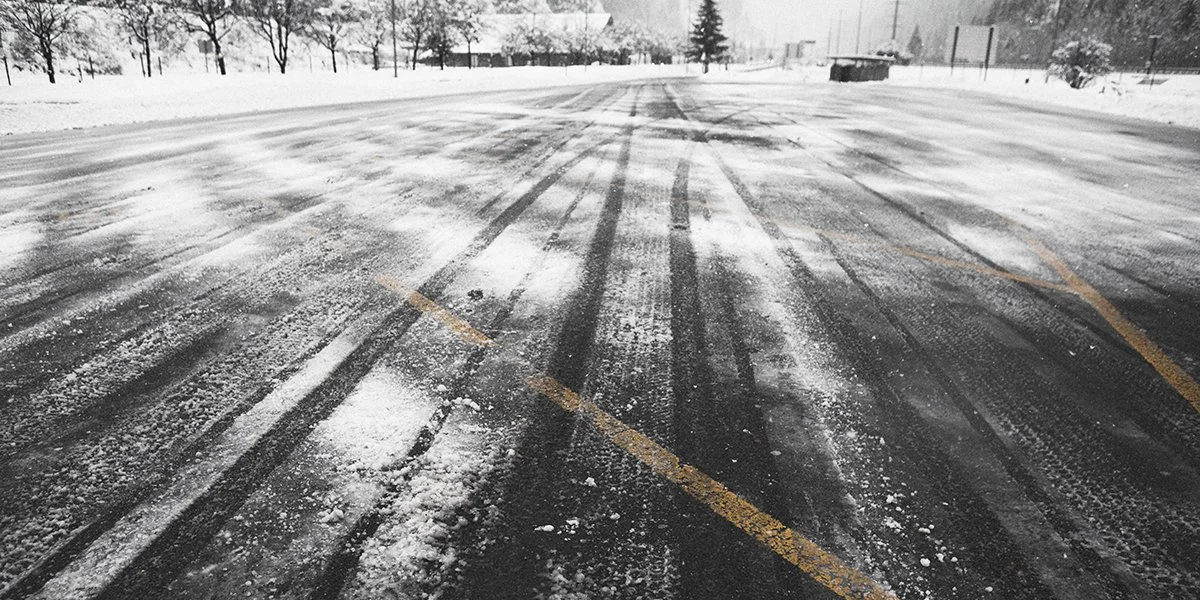
As winter approaches, parking lot issues that seem minor today can quickly become larger, more expensive problems. Snow, ice, moisture, and repeated freeze-thaw cycles put added stress on pavement and can create safety concerns for drivers and pedestrians alike.
Before winter weather arrives, it's worth taking a closer look at your parking lot. Here are seven common issues that tend to worsen during the colder months.
1. Cracks
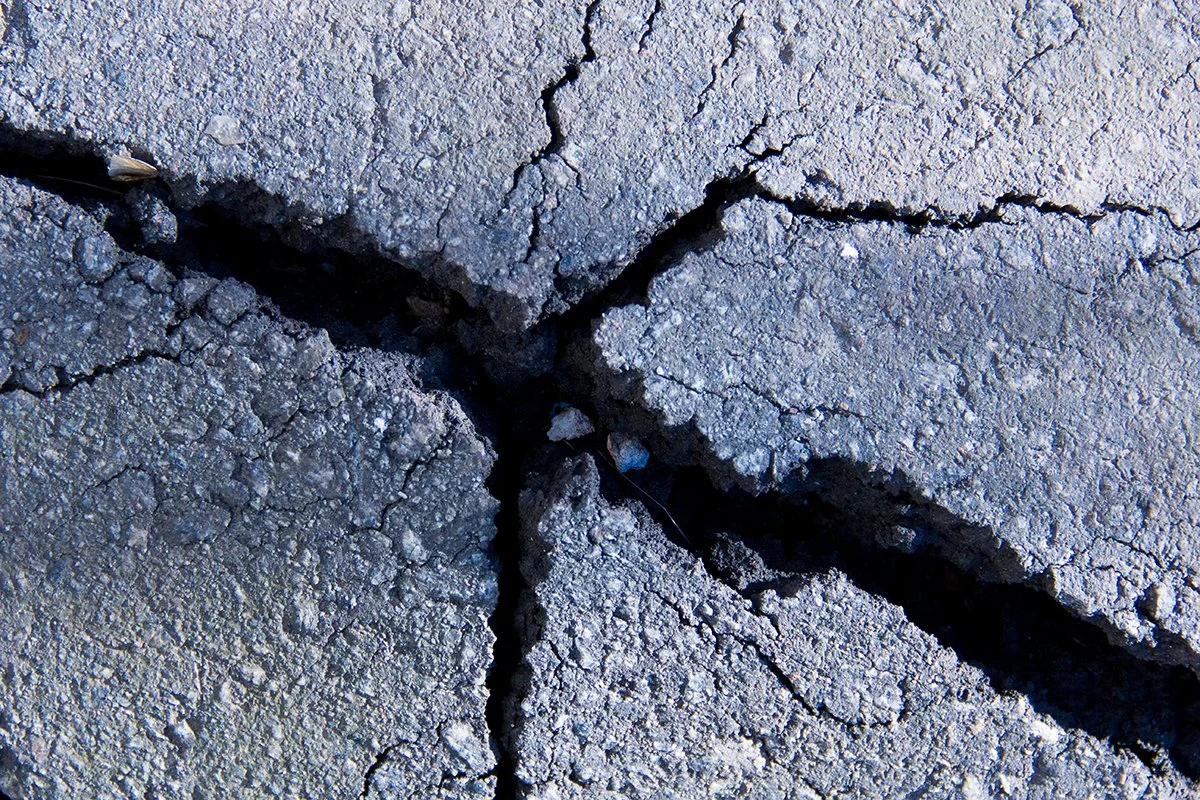
Small cracks rarely stay small during winter.
As water seeps into cracks and freezes, it expands and puts pressure on the surrounding pavement. Over time, this pressure causes small cracks to expand. So, repeated freeze-thaw cycles turn minor surface damage into larger structural problems.
Addressing cracks before winter helps prevent more extensive repairs later.
2. Potholes
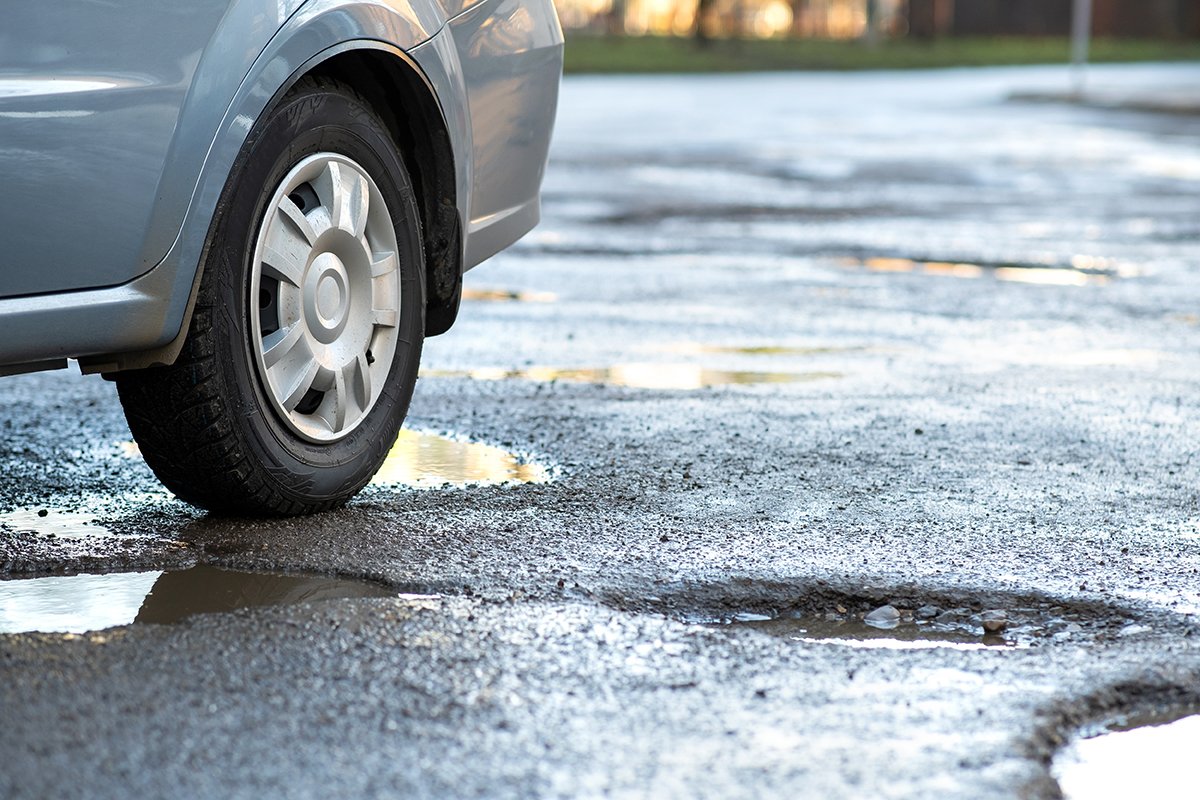
Most potholes begin as small areas of pavement deterioration. Winter speeds up the damage.
Moisture, freezing temperatures, and vehicle traffic can cause weak areas to break apart quickly. What starts as a small gap in the fall may require significant repairs by spring.
3. Worn ADA Markings and Accessibility Features
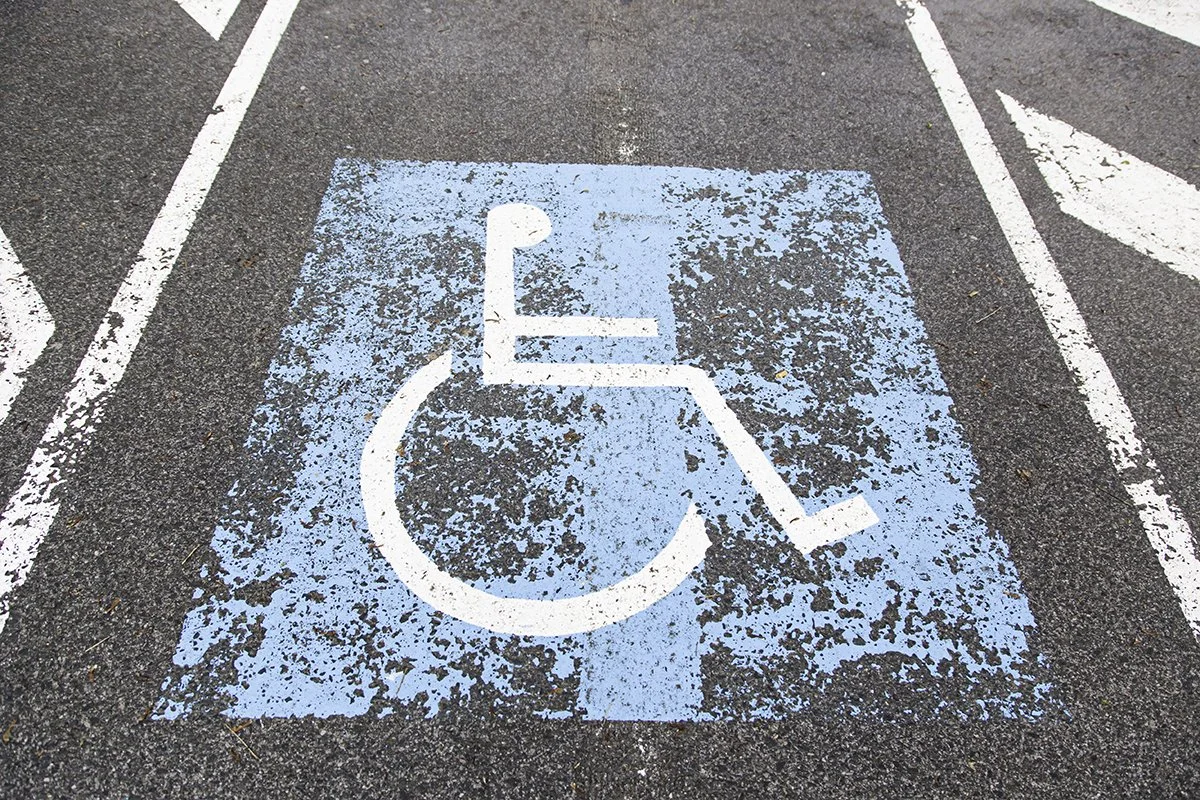
ADA parking spaces, access aisles, curb ramp markings, and accessible routes are some of the most important markings in any parking lot. Over time, however, these markings can fade due to weather, traffic, and general wear.
Winter conditions can make faded accessibility markings even harder to identify. Snow, slush, and reduced daylight can further limit visibility, creating confusion for visitors and increasing the risk of compliance concerns.
Refreshing ADA markings before winter helps ensure accessible parking areas remain clearly marked, visible, and easy to navigate throughout the season.
4. Faded Pavement Markings
Winter conditions naturally reduce visibility. Faded pavement markings only make matters worse.
Parking stalls, directional arrows, fire lanes, and crosswalks should remain easy to identify year-round. Fresh striping helps drivers and pedestrians navigate your property safely, even during snow and low-light conditions.
5. Inadequate Signage
Signs play an important role in keeping a parking lot safe and organized.
When signage is damaged, outdated, or difficult to see, drivers can miss important information. Winter is a good time to review directional signs, fire lane markers, speed limits, and other critical wayfinding elements.
6. Damaged Curbs
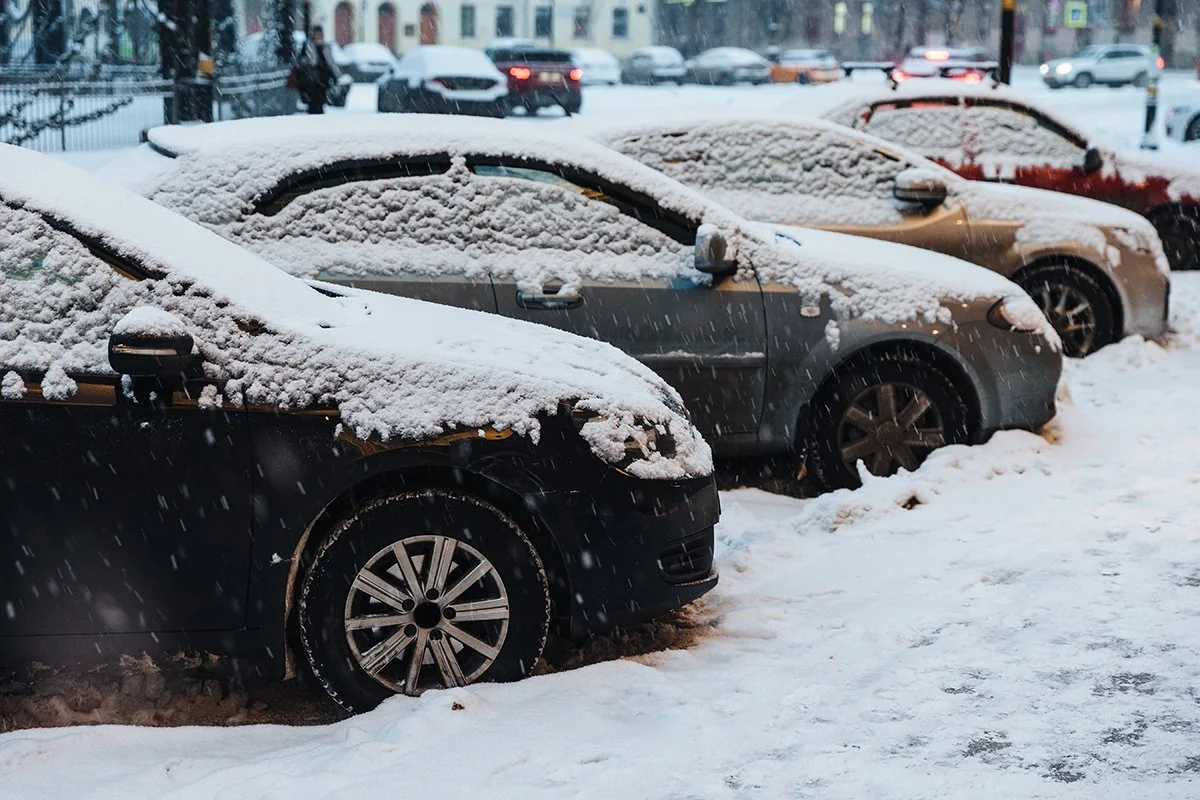
Snow can hide curbs from view, making existing damage harder to spot.
This increases the likelihood of vehicle impacts and can create challenges for snow removal operations. Well-maintained, clearly visible curbs help improve safety throughout the winter season.
7. Poor Traffic Flow
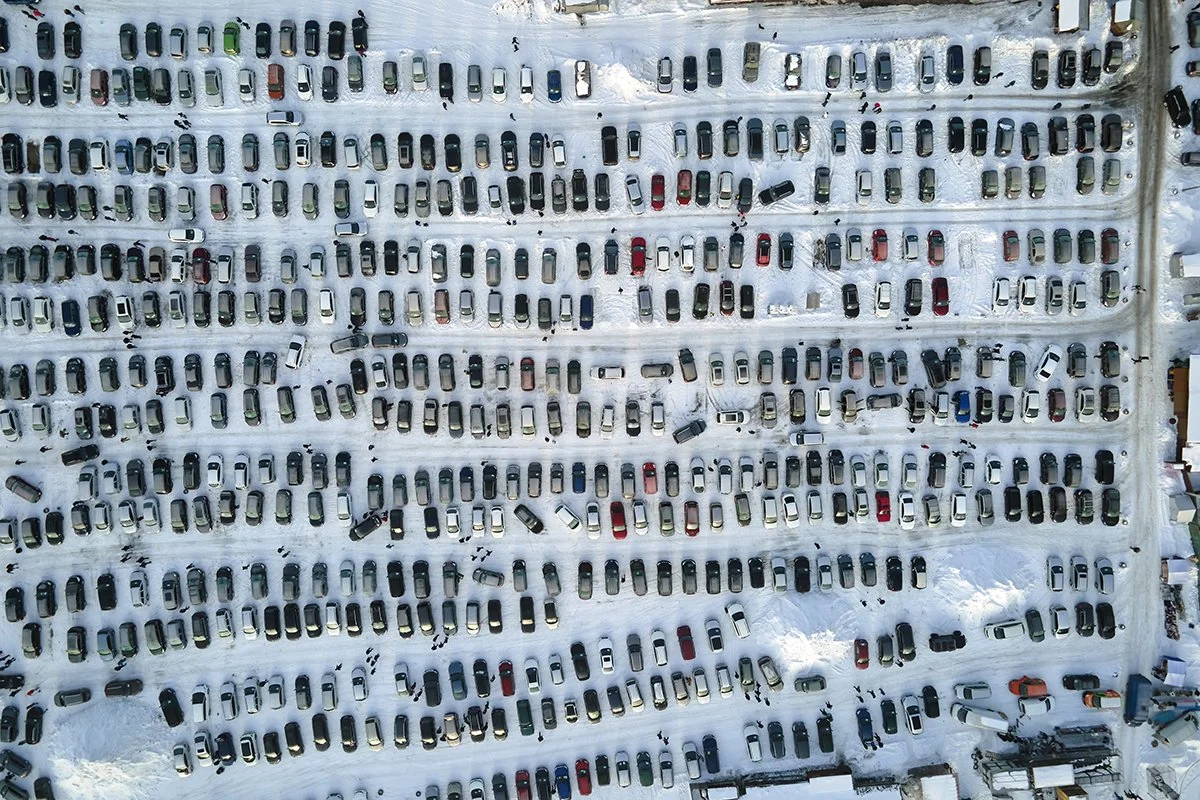
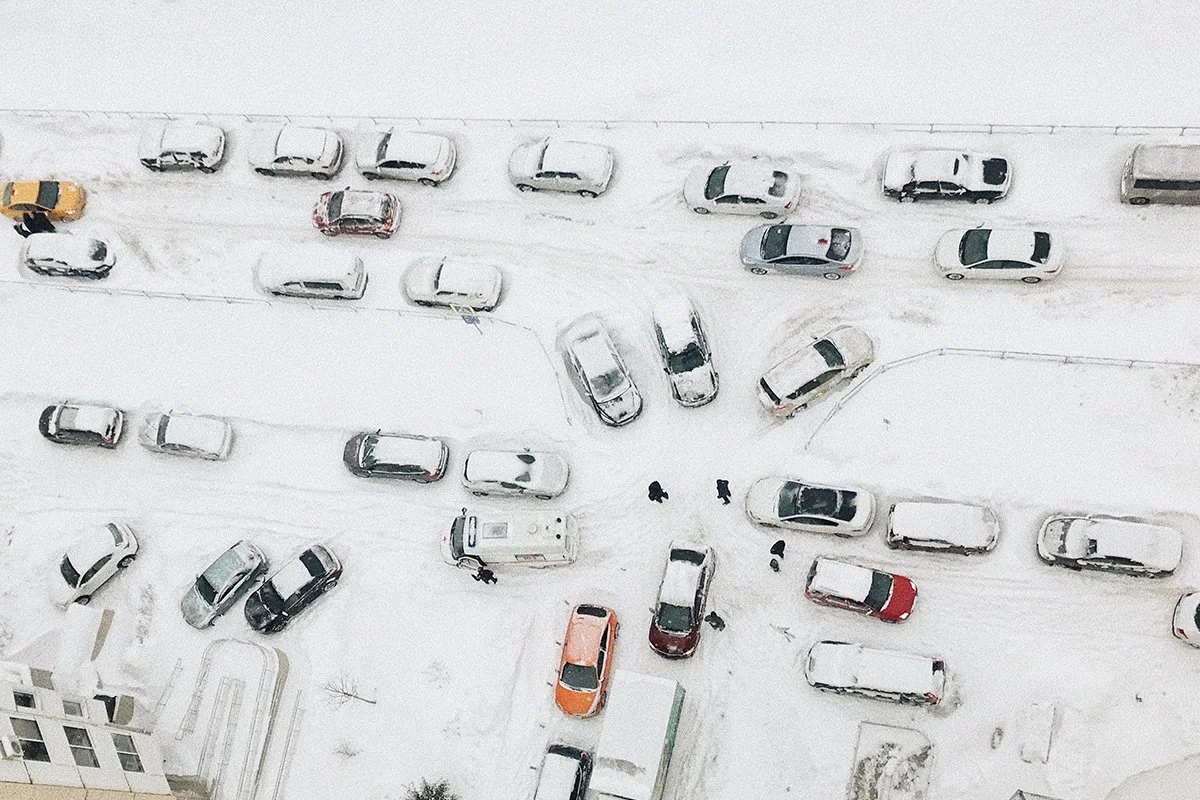
Traffic patterns that work during summer may become problematic once snow arrives.
Snow piles can reduce available parking, narrow driving lanes, and create confusion at entrances and exits. Clear pavement markings help maintain an organized flow of traffic when conditions become more challenging.


Be Proactive Before Winter Arrives
Winter weather has a way of exposing weaknesses in a parking lot. Cracks grow, potholes deepen, drainage issues freeze over, and worn markings become harder to see.
The good news is that many of these problems can be addressed before the first snowfall. Taking a proactive approach now can help improve safety, reduce liability concerns, and protect your pavement investment throughout the winter season.
At Line Pro, Inc., we help property owners maintain safe, organized, and highly visible parking lots through professional pavement marking and signage solutions. Preparing now can help ensure your property is ready for whatever winter brings.
Ready to get your parking lot winter-ready? Contact Line Pro today to discuss pavement marking and signage solutions that keep your property safe, accessible, and organized all season long.
